

- VOLUME 73: How Do You Choose Stylish Glasses That Suit You?
VOLUME 73: How Do You Choose Stylish Glasses That Suit You?
Tuesday, 2 December 2025
Finding glasses that feel stylish isn’t always as simple as it sounds. You might walk in thinking you already know the kind of frame you want, and then the whole wall of options makes you rethink everything. Something you were sure would look great can fall flat once you put it on, and a frame you barely noticed before can end up working surprisingly well. With so many differences in shape, color, materials, and how each one sits on your face, it’s pretty normal to feel unsure.
Before you even get into comparing individual styles, it’s useful to understand what usually makes the decision so complicated. Once you see the points that tend to cause the hesitation, picking a pair that actually feels right becomes a lot easier.
Why finding glasses with style can feel overwhelming
Trends shift quickly, and the number of choices can explode before you’ve even had a chance to narrow things down. Standing in front of dozens of similar-looking frames is enough to leave anyone second-guessing. Many people also worry they’ll choose something that feels wrong once the lenses are put in. Common challenges include:
- Frames that all seem to blend together
- Opinions from friends or family pulling you in different directions
- Difficulty picturing how a frame will suit your face
- Pressure to follow whatever is currently trendy
In all that noise, it’s easy to overlook shapes that would naturally work for you. Looking at how different modern styles are designed can make it clearer how subtle changes in size and proportion affect balance. Choosing glasses is really a balancing act between visual appeal and everyday practicality — when one dominates, the outcome rarely feels right.
What happens when style overshadows comfort and fit?
Sometimes a frame jumps out at you because it looks exciting or a bit different, but that doesn’t always match how it feels once it’s on your face for more than a minute. You try it, think it’s fine, then a little later the fit starts rubbing or the weight feels off. It’s strange how something that looks great at first can end up being the one you keep taking off. Common comfort issues include:
- Frames that feel heavy by the end of the day
- Nose pads that pinch or leave marks
- Arms that press behind the ears
- Materials that don’t suit your daily routines
Because glasses sit on your face all day, small discomforts quickly become bigger problems. They can interrupt work, conversations, or even simple errands. No matter how stylish a pair is, if it doesn’t feel good, it won’t stay in your rotation.
What are the risks of choosing trendy frames without considering your lifestyle?
Some frames jump out right away because they look interesting, and that’s usually what gets your attention first. The thing is, once you picture wearing them during your normal week, they don’t always make as much sense. What catches your eye at the start isn’t always the thing that actually fits into how you live. Typical mismatches include:
- Frames that slide during activity for people on the go
- Glossy surfaces reflecting bright office lighting
- Delicate materials that can’t handle commuting or travel
- Colors that distort tones for those in creative fields
When style takes priority and practicality gets overlooked, disappointment usually follows. A frame might look fantastic at first glance but behave differently in real-world use. That shift often pushes people toward a more realistic approach — one that pairs taste with comfort and daily habits.
How can you find glasses that are stylish and match your face shape and tone?
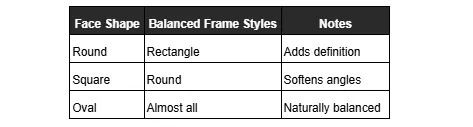
Understanding your face shape makes the process much clearer. It helps you eliminate styles that work against your features and notice those that naturally complement them. General guidance includes:
- Round faces: angular shapes, such as rectangles
- Square faces: round or softer shapes to balance strong lines
- Oval faces: most shapes tend to work well
Here’s a quick reference chart:
Color is another major factor. Shades that blend with your complexion, hair, and clothing tend to feel timeless. Considering how to choose the right glasses for your proportions and coloring helps create a balance that lasts. When shape and tone work together, you’re left with a style that feels natural, not forced.
Which online tools help you visualize the perfect frames easily?
Virtual try-on tools have made the selection process far easier. Instead of guessing how something might look, you can preview frames directly from home. These tools allow you to:
- Test different colors
- Compare multiple styles quickly
- Check rough proportions
- See whether a shape feels too bold or too small
They’re not perfect — screens can shift how shapes and colors look — but they offer a good starting point. You can also spot early on whether a frame will make sense with your lenses once you consider how different types of prescription glasses affect the final feel.
Why does balanced eyewear design keep you stylish for years?
The frames that hold up over the years usually do so because everything about them sits right. The shape, the weight, the colors and the way they’re put together don’t fight each other, and that’s what helps a design stay usable and not feel tied to one moment in fashion. Balanced eyewear often provides:
- Proportions that complement your facial structure
- Colors that sit naturally against your skin tone
- Comfortable weight for long wear
- Durable construction
These designs don’t depend on trends to hold their appeal, and they work whether you prefer something understated or something with a bit more presence. Long-term comfort also ties into overall product quality, and information around consumer rights and complaints helps reinforce how well-made eyewear is expected to support your eyes as your needs change over time.
Final thoughts on choosing glasses with style that truly reflect you
Picking out glasses sounds easy until you’re standing there trying to figure out which pair actually feels right for the way you live. They’re on your face every day, so you want something that looks like it belongs there and doesn’t bug you after an hour. Once you find a frame that feels comfortable and still feels like “you,” the whole decision stops being such a headache.
If you like things explained without the jargon, a quick guide from Dresden Vision can help you cut through the confusion and narrow in on frames that genuinely match what you need.