

- VOLUME 75: BOGO Explained: How to Build a 2-Pair Wardrobe (Work Pair + Weekend Pair)
VOLUME 75: BOGO Explained: How to Build a 2-Pair Wardrobe (Work Pair + Weekend Pair)
Sunday, 1 March 2026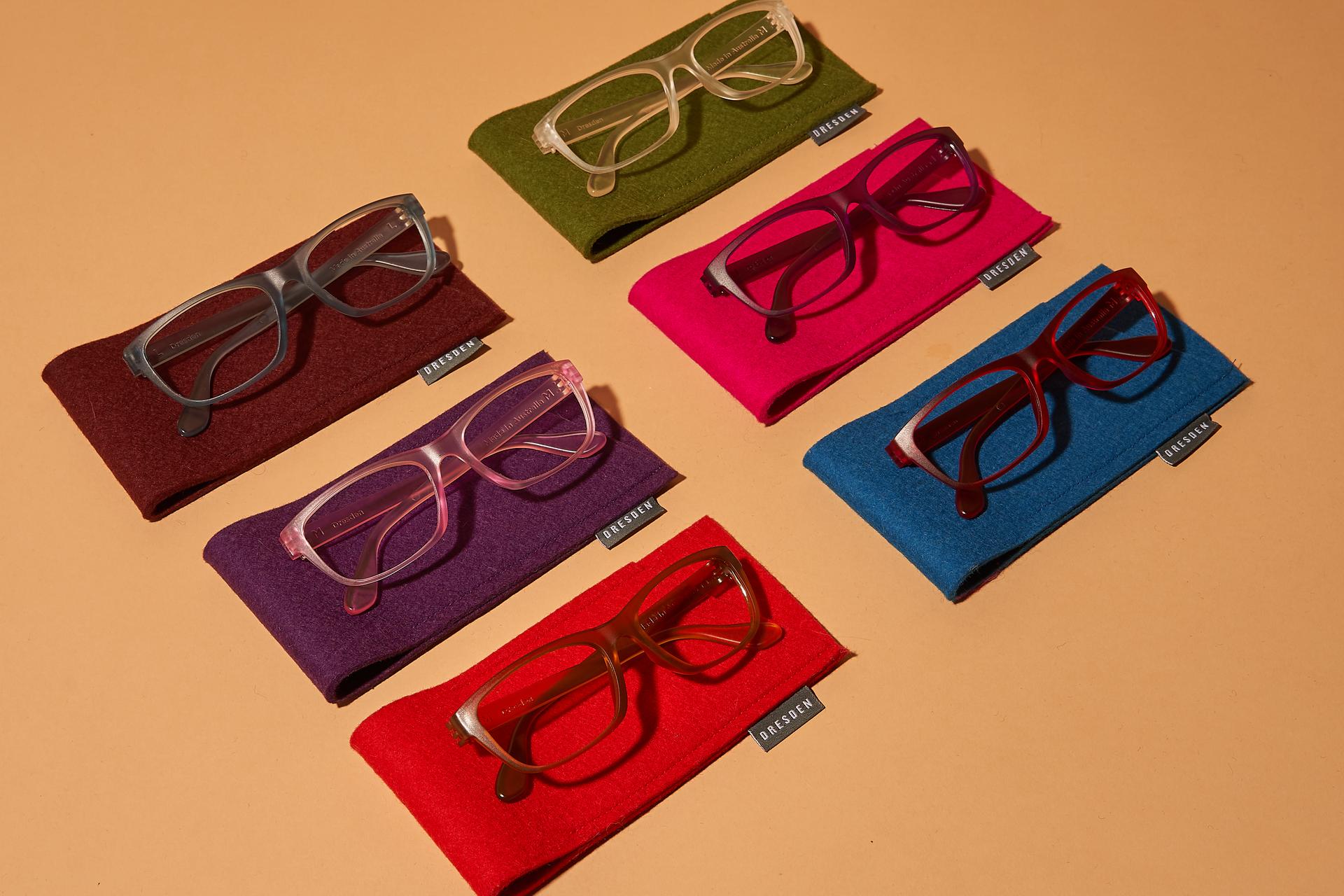
BOGO deals can be tempting… and also a bit chaotic. You start with a sensible plan, then suddenly you’re debating frames at midnight and wondering whether your “second pair” will actually get worn.
This guide is designed to make the decision simple and genuinely useful. You’ll learn how to build a two-pair “mini wardrobe” that fits real life in New Zealand:
- A work pair that feels good for long days and stays clear in bright offices and screen-heavy routines
- A weekend pair that handles outdoor glare, UV, road trips, sport, and “in-and-out” lighting
- A quick decision method for what your second pair should be (sunnies, backup, computer pair, or a tougher frame)
- The common BOGO mistakes that lead to regret (and how to avoid them)
- Answers to the questions people search while they’re literally choosing between two frames
If your next step is picking progressives, you can shop progressive glasses online once you’ve worked out the two-pair plan.
The Golden Rules of a 2-Pair Glasses Wardrobe
Before we get into checklists and scenarios, here are the rules that prevent “I got two pairs and still feel like something’s missing”:
- Make Pair #1 your most-used reality: your workday, your commute, your screens, your indoor lighting
- Make Pair #2 solve the biggest friction point Pair #1 can’t: glare, outdoors, sport durability, backup security
- Comfort beats “cool” for the pair you’ll wear 5–6 days a week
- UV protection is not the same as dark tint: labels and standards matter more than shade
- If you rely on glasses daily, one pair is a single point of failure
The quick mental shortcut
If you spend most days indoors on screens:
- Work pair = comfort + clarity + low glare indoors
- Weekend pair = sun/glare protection or a true backup that lives in the car/bag
If you spend lots of time outside (walks, runs, weekends outdoors, driving):
- Work pair = everyday all-rounder
- Weekend pair = prescription sunnies (often the biggest quality-of-life upgrade)
What “Work Pair + Weekend Pair” Actually Means
A two-pair wardrobe isn’t about owning more stuff. It’s about reducing friction.
Work pair: your “default” glasses
This pair should feel invisible.
It’s for:
- Office and home lighting
- Screen work (laptops, monitors, phones)
- Meetings, reading, supermarket runs, and everything between
- Long wear time without pressure points or headaches
The best work pair is the one you forget you’re wearing.
Weekend pair: Tour “problem-solver” glasses
This pair is built around conditions your work pair doesn’t love.
It’s for:
- Bright outdoor glare (especially driving, water, beach, snow)
- Sport or active days where frames get knocked around
- A backup plan (bag pair / car pair)
- A different look that fits your off-duty style
In NZ, the weekend pair often ends up being the “sun pair” because outdoor glare and UV are a real daily factor. The Cancer Society SunSmart guidance recommends sunglasses that block 100% UVA and UVB and notes that polarised lenses reduce reflected glare but don’t automatically mean better UV protection. You can read their sunglasses guidance here: Cancer Society SunSmart sunglasses advice.
The BOGO Checklist: Build Your 2-Pair Wardrobe in 10 Minutes
Use this like a quick build tool.
Step 1: Pick your “most-worn” environment
Choose the one that’s true most weeks:
- Mostly screens + indoors
- Mixed (indoors + driving + errands)
- Mostly outdoors + driving
Step 2: Decide what Pair #2 needs to do
Pick one primary job:
- Sun/glare protection (weekend sunnies)
- Backup security (spare pair that lives in your bag/car)
- Activity durability (sport/outdoors)
- Task-specific clarity (computer pair / reading comfort)
Step 3: Keep the pairs different on purpose
A common BOGO trap is buying two similar pairs that solve the same problem.
Better pairings:
- Comfortable everyday work pair + prescription sunnies
- Everyday pair + “backup pair” (tougher frame, simple style, lives in the car)
- Everyday pair + activity frame (secure fit, durable, less precious)
- Everyday pair + computer-focused pair (if screens are your whole day)
What to Pack Into Your Work Pair
This is the pair that has to survive long wear, bright indoor lighting, and constant on/off moments.
H3: Comfort and fit: The non-negotiables
If a frame is even slightly annoying in the shop, it will be unbearable by week three.
Look for:
- Stable fit (doesn’t slide when you look down)
- No pinching at the temples
- No heavy pressure on the nose
- Comfortable when you smile or talk a lot (yes, really)
- A shape that gives good coverage without sitting on your cheeks
Workday vision: Reduce the “little annoyances”
The work pair should reduce:
- Screen reflections
- Eye fatigue from bright indoor lighting
- The sense that you’re constantly adjusting the glasses on your face
If you’re considering progressives for work life, prioritise everyday comfort and clarity first. That’s where “high quality” matters most — not because it needs to be fancy, but because you’ll use it constantly. When you’re ready, you can compare options for high quality progressive glasses without guessing what you actually need day-to-day.
Should my work pair be “the nicer pair”?
Usually, yes.
Not because it has to be expensive — because it gets the most wear. Make the work pair the pair you trust for long days and varied tasks. Save the “specialised” job for the weekend pair.
What to Build Into Your Weekend Pair
Weekends are where lighting gets dramatic: bright sun, reflective roads, water glare, or that constant in-and-out of cafés, shops, and outdoor walks.
Option A: Weekend pair as prescription sunnies
This is the most common “I didn’t realise how much I needed this” upgrade.
Why it works in NZ:
- UV can be very high, and glare is a constant on roads and near water
- Squinting fatigue adds up fast on long drives and beach days
- Comfort matters more when you’re outside for hours
SunSmart guidance suggests looking for sunglasses that block 100% UVA and UVB and a wraparound or close-fitting style for better protection.
Option B: Weekend pair as a “backup you actually use”
If you don’t want prescription sunnies (or you mostly stay indoors on weekends), make Pair #2 a true spare.
A good backup pair is:
- Comfortable enough to wear all day if needed
- Simple and versatile
- A slightly tougher frame you won’t baby
- Stored somewhere practical (car, work bag, travel kit)
Option C: Weekend pair for sport and active days
If your weekends include trails, cycling, boating, kids’ sport, or DIY jobs, Pair #2 can be the “tough pair.”
Prioritise:
- Secure fit (stays on with movement)
- More durable materials
- Practical lens choices that handle dust, wind, and changing light
Is polarised always the best choice?
Polarised lenses are brilliant for reducing reflected glare (water, roads, snow), which many people feel immediately while driving or near water. But polarised doesn’t automatically mean better UV protection — UV protection depends on the lens treatment and standards, not the polarisation itself.
What to Avoid: The Fastest Ways to Waste a BOGO Deal
Most BOGO regret falls into a few predictable traps.
Don’t buy two “almost the same” pairs
If both pairs are similar frames with similar use cases, you haven’t built a wardrobe — you’ve built a duplicate.
Instead, force a difference:
- One indoor/default pair
- One outdoor/specialised or backup pair
Don’t let fashion override comfort for Pair #1
Your work pair needs to be your most-worn pair. If it’s uncomfortable, you’ll quietly hate both pairs.
Don’t confuse dark tint with UV protection
Some dark lenses reduce visible light and glare but don’t guarantee adequate UV protection. SunSmart specifically recommends checking for 100% UVA and UVB protection and suggests looking for sunglasses that meet the Australian/New Zealand standard.
Don’t forget your real-life routine
Ask yourself:
- Where do I feel eye strain most often?
- When do I squint the most?
- When do I take my glasses off because they annoy me?
- Do I drive a lot on weekends?
- Do I end up outdoors more than I think?
Your answers pick the second pair for you.
The 2-Pair Builder: Pick Your Best Combo
Use the scenario that feels most like your week.
Scenario 1: The screen-heavy workweek
You’re on screens most days and your weekends are mixed.
Best combo:
- Work pair = comfort-first everyday pair
- Weekend pair = either prescription sunnies (if you drive/outdoors) or a true backup (if you mostly stay indoors)
Common mistake to avoid:
- Buying a second “work-ish” pair you never reach for
Scenario 2: The commuter and frequent driver
You drive most days and you notice glare.
Best combo:
- Work pair = everyday all-rounder
- Weekend pair = prescription sunnies (especially if glare bothers you)
Little upgrade that matters:
- A weekend pair that lives in the car, so you’re not juggling or forgetting it
Scenario 3: The outdoors weekend (walks, beach, sport)
Your weekends are bright, active, and long.
Best combo:
- Work pair = indoor/default pair
- Weekend pair = outdoor pair (sun/glare + secure fit)
Pro tip:
- Choose the weekend pair you won’t hesitate to wear hard
Scenario 4: The “I can’t afford downtime” person
If your glasses breaking would mess up your week, Pair #2 is security.
Best combo:
- Work pair = your best everyday pair
- Weekend pair = a backup that’s genuinely wearable all week if needed
If you’re trying to keep things tight financially, this is where BOGO can be practical: your backup pair is not an afterthought, it’s a safeguard. When you’re ready to compare options, start with affordable progressive sunglasses that still suit your most-worn routine.
Mini Checklists You Can Screenshot
The Work Pair Checklist
- Comfortable for all-day wear
- Stable fit (no constant pushing up)
- Clear for your most common tasks
- Feels good in your main work environment (office/home)
The Weekend Pair Checklist
Pick the main job, then tick the supports:
Sun/glare pair:
- 100% UVA + UVB protection
- Comfortable outdoors for long sessions
- Glare reduction matters to you (especially driving/water)
Backup pair:
- Comfortable enough for an emergency full day
- Durable enough to live in a bag/car
- Similar prescription usefulness (so it’s not “technically a spare” you hate wearing)
Active pair:
- Secure fit for movement
- Tough frame choice
- Practical “no fuss” use
Questions People Ask Mid-Decision
Is a two-pair wardrobe “overkill”?
Not if the second pair solves a consistent problem: glare, outdoor comfort, durability, or backup security. If Pair #2 prevents even one “I can’t see and I’m stuck” moment, it earns its place.
What if my weekends are mostly indoors?
Then Pair #2 is often best as a real backup pair, or a task-specific pair that makes your most annoying routine easier (like long screen sessions).
Should my work pair and weekend pair have the same prescription?
Generally, yes — unless the weekend pair is for a specific task with a specific prescription recommendation (which should come from your eye care professional). If you’re unsure, treat “same prescription, different purpose” as the safe default.
Frequently Asked Questions
What does BOGO mean for glasses?
BOGO means “buy one, get one” — usually framed as a way to pick two pairs at once. The smart approach is using it to build two different jobs (work + weekend) rather than buying two similar pairs.
What’s the best “work pair + weekend pair” combination in New Zealand?
For many people:
• Work pair = comfort-first everyday pair for screens and indoor lighting
• Weekend pair = prescription sunglasses for glare and outdoor time, with 100% UVA/UVB protection as recommended by NZ SunSmart guidance.
Do I need polarised lenses for the weekend pair?
If you drive a lot, spend time near water, or notice glare fatigue, polarised lenses can make a noticeable comfort difference. But polarisation isn’t the same thing as UV protection — check for UV protection specifically.
How do I avoid wasting my second pair?
Make Pair #2 solve a different problem than Pair #1:
• Sun/glare protection, or
• A true backup you’ll actually wear, or
• A tougher active-day pair
How do I know if my “work pair” choice will annoy me later?
If it slides, pinches, feels heavy, or needs constant adjustment in the shop, it won’t improve with time. Comfort issues usually get worse once you wear the frame for full days.