

- VOLUME 87: How to Choose the Right Reading Glasses in 2026
VOLUME 87: How to Choose the Right Reading Glasses in 2026
Thursday, 11 December 2025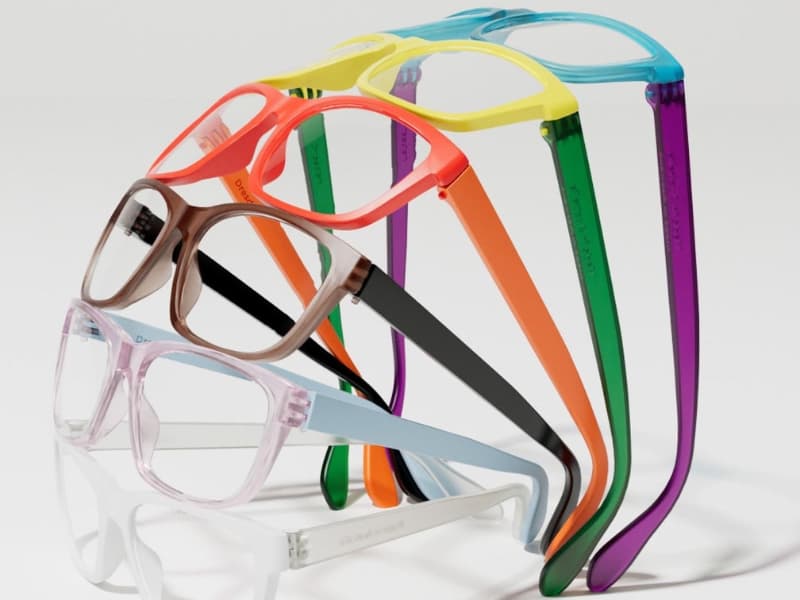
If you’ve found yourself holding your phone a little further away or squinting at menus that used to be easy to read, you’re definitely not the only one. As more Australians juggle long work hours, constant screen use and bright indoor lighting, reading glasses have become an everyday essential rather than a once-in-a-while accessory. And while grabbing a random pair from the chemist might feel like the quick fix, choosing the right reading glasses makes a huge difference — not just to clarity, but to comfort, eye health and how relaxed your vision feels at the end of the day.
In this guide, we break down exactly how reading glasses work, the strengths people need at different ages, what frame styles suit most face shapes, and which lens coatings actually matter in 2026. Think of it as your simple, practical roadmap to choosing a pair that feels good, looks good and makes reading enjoyable again.
Why do so many Australians need reading glasses now?
Presbyopia — the natural stiffening of the eye’s internal lens — usually appears around age 40. But in 2026, people are noticing symptoms much earlier. Why? Screens. Lots of screens. Long hours spent reading emails, scrolling social feeds, reviewing spreadsheets or following recipes on tablets put the eyes under constant near-focus stress.
Common early signs include:
• blurry text at normal reading distance
• frequent eye rubbing or dryness
• feeling like you need brighter light to read
• headaches after reading or phone use
• holding objects further away to focus
If these feel familiar, you’re not imagining it. Your eyes are simply asking for support — and reading glasses deliver almost instant relief.
How do you know if you actually need reading glasses?
Instead of guessing or buying a “that’ll do” pair off the shelf, it helps to understand what’s going on with your vision. A helpful place to start is Dresden’s guide on how to know if you need reading glasses, which breaks down early symptoms and when to get checked by a professional.
Eye care professionals consider:
• your natural reading distance
• focusing ability
• muscle strain
• how screen habits influence fatigue
If your eyes feel strained more quickly than they used to, reading glasses will likely make everyday tasks smoother and far more comfortable.
What strength reading glasses should you choose?
This is where many people go wrong. The strength you choose should feel effortless — your eyes shouldn’t have to “work” to adapt.
General guideline:
• Age 40–45 → +0.75 to +1.25
• Age 45–50 → +1.25 to +1.75
• Age 50–55 → +1.75 to +2.25
• Age 55–60 → +2.25 to +2.75
• 60+ → +2.75 and above
But lifestyle plays a big role:
• If you read very close-up → slightly higher strength may help.
• If you read from a distance → a lower strength may be better.
• If you switch between devices → intermediate strength might suit you.
The right pair should feel clear immediately — no adjusting, no strain, no “give it a few days.”
Do frame shapes matter for reading glasses?
Definitely. Comfort and balance matter more than people expect. Reading glasses are something you take on and off many times a day, so lightweight, comfortable frames make all the difference.
Round frames remain a popular choice because they flatter most face shapes and offer a clean, classic look that never dates. Many Aussies choose affordable round prescription glasses because they’re versatile, durable and easy to style.
If you’re unsure what shape suits you, round frames are often a safe, timeless starting point.
How does blue light affect reading comfort?
Screens emit blue light, which can contribute to:
• eye fatigue
• headaches
• difficulty focusing
• disrupted sleep patterns
Blue light suppresses melatonin — the hormone that helps regulate the body’s natural circadian rhythm.
That’s why people who read on screens at night often struggle to wind down afterwards.
Blue-light filtering lenses soften harsh LED glare, ease visual strain and help maintain a smoother sleep cycle. You can explore blue light filter glasses designed to reduce digital fatigue through Dresden’s range here.
They’re especially helpful for people who work from home, read on tablets, or switch between multiple screens during the day.
Which lens coatings matter most in 2026?
Lens coatings might sound like small add-ons, but they dramatically change comfort and clarity — especially if you’re reading daily.
Look for:
Anti-glare: reduces reflections from overhead lighting and screens
Scratch-resistant coatings: essential if you carry glasses in bags or pockets
Hydrophobic coating: keeps lenses clearer for longer
UV protection: important even indoors in bright Australian conditions
Good coatings mean less cleaning, sharper vision, and lenses that stay comfortable all day.
Should you choose single-vision or multi-purpose reading glasses?
Think about how you read, not just what you read.
Single-vision reading glasses — best for books, newspapers, craft, hobbies
Intermediate / computer lenses — ideal if you read mostly on screens
Progressive reading glasses — great for multi-taskers who move between near and mid-distance focus
Each option supports a different day-to-day lifestyle. The right one should feel natural and reduce the effort your eyes put in.
Where can you find the right reading glasses online?
If you want a quick way to browse strengths, shapes and lens types that support everyday reading comfort, the full collection of Dresden Vision’s reading glasses is a great place to start — simple, durable and designed for easy daily wear.
It’s a practical way to compare options without the overwhelm.
Final thoughts: Choosing reading glasses that fit your life
Reading glasses shouldn’t feel like a compromise — they should make life easier. The right pair sharpens text instantly, reduces strain, and makes everything from recipes to emails more comfortable. In 2026, with so many options available, focusing on clarity, comfort, durability and sustainability helps you find a pair that supports your vision for the long run.
And if you want eyewear that’s built to last, easy to repair and thoughtfully designed, you can learn more about the brand and its modular approach at Dresden Vision, a philosophy centred on affordable, repairable frames that make everyday vision care more sustainable: