

- VOLUME 88: What Should You Look for in High-Quality Sunglasses This Year?
VOLUME 88: What Should You Look for in High-Quality Sunglasses This Year?
Thursday, 11 December 2025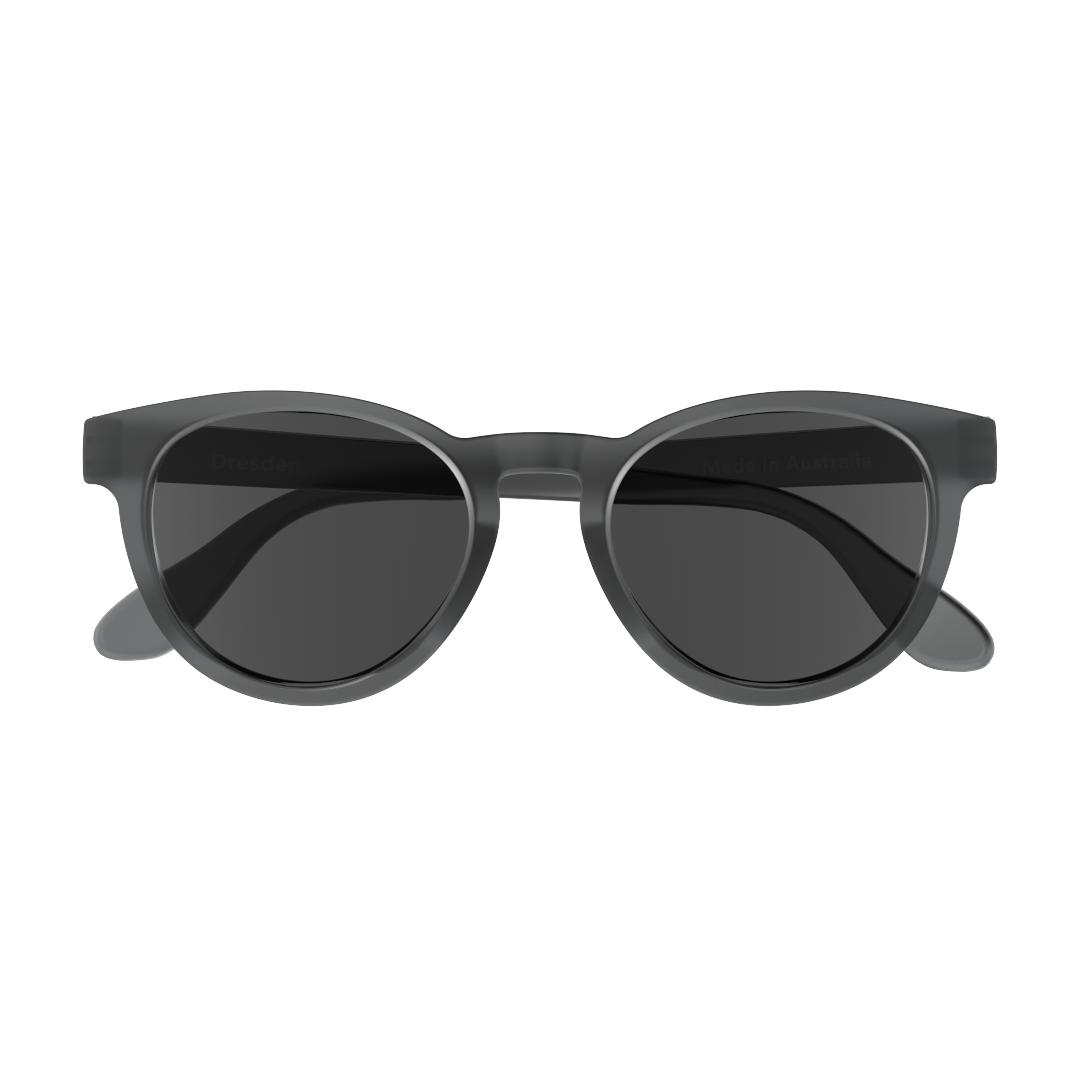
If you’ve ever found yourself standing in front of a sunglasses rack feeling a bit overwhelmed — polarised or not? Dark tint or light tint? Prescription or plano? — You’re not alone. Sunglasses are one of those everyday essentials that look simple on the surface, yet choosing the right pair makes a world of difference for comfort, clarity and long-term eye protection.
With Australians spending more time outdoors, commuting in bright light and navigating screens all day, high-quality sunglasses have become less of a fashion accessory and more of a year-round necessity. So what should you actually look for in a pair that protects your eyes properly and holds up through the seasons? Here’s a breakdown of the features that truly matter in 2026 — minus the noise and marketing fluff.
Why is UV protection still the number one non-negotiable?
Not all lenses filter UV light the same way, and unfortunately, a darker tint doesn’t guarantee better protection. UV exposure contributes to cataracts, macular degeneration and photokeratitis — essentially “sunburn” for your eyes. High-quality sunglasses fully block UVA and UVB rays, regardless of tint colour.
UV awareness has grown massively in recent years, especially as more research highlights how sunlight affects the eyes. Even the World Health Organisation outlines how UV radiation contributes to long-term ocular damage — making proper UV filtration an absolute must for Aussies who spend plenty of time outdoors or driving in bright conditions.
Do lens colours really matter for visibility and comfort?
Absolutely — different lens colours change the way you see the world.
• Grey lenses reduce brightness evenly and maintain true-to-life colour.
• Brown or amber lenses enhance contrast, great for driving and outdoor activities.
• Green lenses balance colour and brightness — a comfortable all-rounder.
• Yellow lenses boost contrast in low light, but are not ideal for full sun.
Choosing the right tint depends on your environment. If you're often on the road, browns or greens offer smoother visual comfort. If you want a general, everyday tint that works almost anywhere, grey remains the safest bet.
For an easy way to browse everyday-friendly designs, you can explore Dresden Vision’s sunglasses collection, which includes a range of tints suited for sunny commutes and outdoor weekends.
What if you need sunglasses with prescription lenses?
For people who switch between regular glasses and sunglasses, prescription sunglasses are genuinely life-changing. They provide consistent clarity without compromising on UV protection, and they are especially helpful for drivers, cyclists and anyone sensitive to bright reflections.
Dresden’s range of prescription sunglasses offers both sun protection and vision correction in a single, durable pair — ideal for everyday wear in Australia’s bright conditions.
If you also use multifocal or progressive lenses, Dresden’s blog explains how to choose the best lens type for sunglasses in different situations.
This extra detail helps you avoid the guesswork and pick lenses that genuinely match your lifestyle.
What frame materials make sunglasses more durable?
Australians are tough on sunglasses — beach trips, long drives, outdoor sports and hikes all take their toll. Frames made from recyclable, impact-resistant materials tend to last far longer than fashion acetate frames that crack under pressure.
High-quality sunglasses should feel lightweight yet sturdy, sit comfortably on the nose, and survive being tossed into a bag or worn all day. Flexible hinges and durable arm pieces help, too, especially if your sunglasses tend to get a workout during weekend adventures.
Should you consider insurance when buying sunglasses?
Many people don’t realise that some private health insurance policies include optical benefits that can go toward sunglasses — particularly prescription pairs. If you’re unsure whether yours applies, it’s worth checking before buying, as it can significantly reduce out-of-pocket costs.
Dresden’s guide on how to use health insurance for sunglasses breaks the process down step-by-step.
It’s a simple way to make high-quality eyewear more accessible for families and everyday wearers.
Are polarised lenses worth it?
Polarised lenses reduce glare from reflective surfaces like water, roads and car bonnets. They’re especially beneficial for:
• driving
• fishing
• boating
• beach activities
• cycling
However, they're not always necessary for casual daily wear. High-quality UV protection remains essential; polarisation is an optional upgrade depending on your environment.
If you spend a lot of time near water or driving long distances, polarised lenses can significantly reduce eye fatigue.
Why sustainability matters more this year
More Aussies are choosing eyewear that lasts. Sunglasses that can be repaired, re-lensed or reused help reduce environmental waste and save money long-term. Modular systems and recyclable materials are becoming more popular, giving people durable sunglasses that fit into a more mindful lifestyle.
A high-quality pair should be something you can maintain — not replace every summer.
Final thoughts: What truly defines high-quality sunglasses in 2026?
High-quality sunglasses should protect your eyes, enhance your vision, feel comfortable to wear and last for years. Whether you're choosing everyday shades for weekend brunch, prescription sunglasses for the commute, or specialty lenses for outdoor sports, the essentials remain the same: reliable UV protection, a comfortable fit, durable materials and lens options tailored to your needs.
And if you’d like sunglasses backed by sustainable design and repair-friendly frames, you can learn more about the brand’s approach at Dresden Vision, a collection built around durability, affordability and everyday comfort: